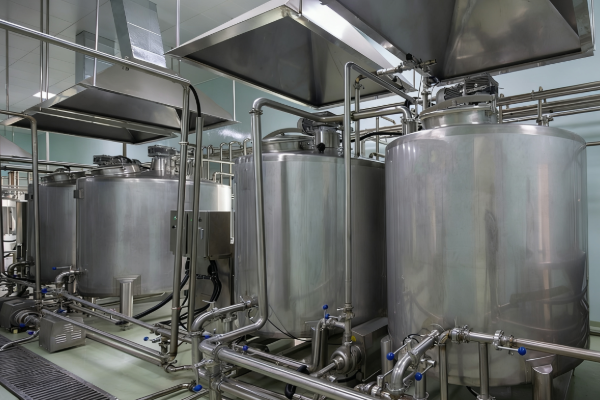
CO₂ Capture Solvent Regeneration
Regeneration of amines and advanced CO₂ capture solvents, limiting degradation and make-up rates.
Industries:
CO₂ Capture
Amines
Energy Saving
≤100–200
ppm
30–50%
Energy Savings
Stable
Solvent Quality

Equivalent to hundreds of traditional plates, enabling the separation of ultra-close boiling points (like TCS vs. DCS) to electronic grade.
Increases mass transfer rate by 1-3 orders of magnitude.
Drastically reduces the energy required for high-purity distillation, directly lowering the Scope 1 & 2 emissions of the final product.
Reduces energy consumption by 40-60% compared to conventional columns
Handles high-viscosity fluids (like Epoxy waste) and prevents coking in heat-sensitive applications (like Hydrogen desulfurization).
Continuous operation with difficult-to-process fluids.
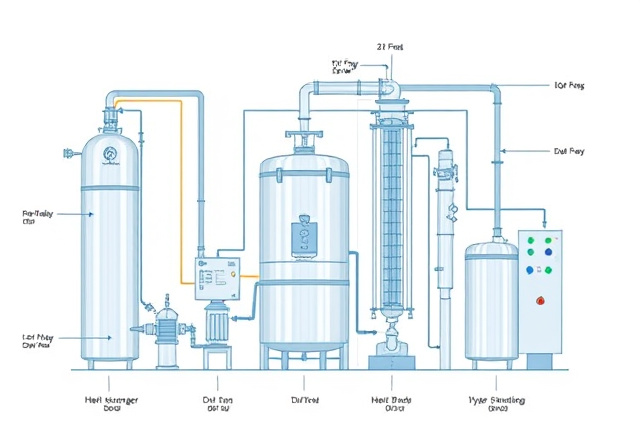
Empowering Solar, Hydrogen, Wind, and Storage technologies.
Regeneration of amines and advanced CO₂ capture solvents, limiting degradation and make-up rates.
CO₂ Capture
Amines
Energy Saving
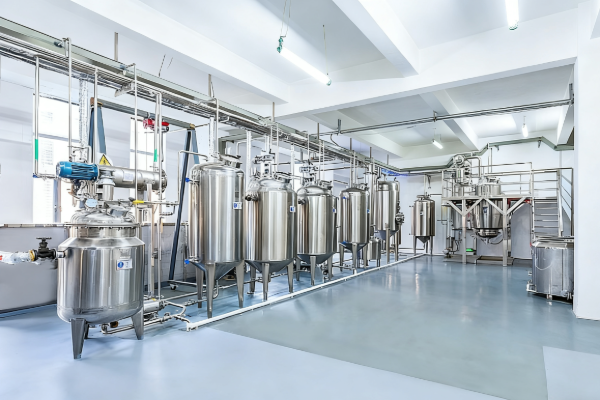
Dehydration and polishing of bio-alcohols for fuel, chemical and electronic-grade applications.
Bioethanol
Dehydration
Fuel Grade

Recovery of methanol and hexane from biodiesel and renewable diesel transesterification and extraction units.
Hexane
Biofuels
Methanol Recovery
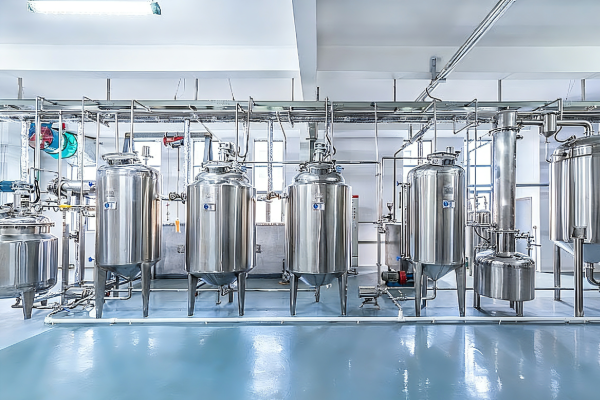
Recovery and purification of methanol and other solvents in e-fuel and power-to-X synthesis and upgrading units.
E-Fuels
Power-to-X
Solvent Loops

Recovery and conditioning of solvents and side streams from SAF and HEFA units to cut losses and COD.
SAF
HEFA
Side Streams

Concentration of stillage and high-COD/high-salt wastewater from biofuel and renewable chemical plants.
High-COD
High-Salt
Wastewater
Solvent / Stream | Typical Source in New Energy / Renewable Fuels | Key Issues / Pollutants | VHPS Treatment Goal | Example Performance |
Bioethanol / biobutanol | Bioethanol plants, biobutanol production | Water removal to fuel/chemical grade, energy-intensive distillation | Dehydrate and polish alcohols to target grade with lower energy use | Purity ≥ 99.5%; water in low ppm; energy use ↓ 30–50% |
Methanol in biodiesel / renewable diesel | Transesterification and esterification (biodiesel, HVO/renewable diesel) | High methanol loss, high COD, safety and emission concerns | Recover methanol for internal reuse, cut COD and fuel loss | Methanol recovery ≥ 95–99%; COD reduction 30–50% |
Hexane & extraction solvents | Oil extraction, renewable diesel / HEFA feed preparation | VOC emissions, solvent loss, flammability | Recover hexane/solvent, close loops and reduce VOC / fresh-solvent consumption | Solvent recovery ≥ 95–99%; VOC load reduced |
DMC, glycols & carbonate solvents | E-fuels, power-to-X, specialty new energy solvents | Moisture control, degradation, narrow spec window | Purify and dehydrate carbonate/glycol solvents to meet process specs | Purity ≥ 99.5%; low water; stable performance |
CO₂ capture amine / advanced solvents (NE use) | New energy/CCUS integration with CO₂ capture units | Degradation, heat-stable salts, corrosion | Regenerate and reclaim solvents, extend solvent life and reduce waste | Fresh solvent make-up ↓ 30–60%; waste volume ↓ 50–80% |
High-COD / high-salt biofuel wastewater | Bioethanol, biodiesel, renewable diesel and renewable chemicals | High COD, high salt, large volumes | Concentrate high-COD/high-salt effluents before WWTP or ZLD | Volume reduction 50–80%; COD reduction 30–50% |
SAF / HEFA side streams & heavy cuts | SAF / HEFA units, renewable jet fuel side streams | Heavy aromatics, color, off-spec side fractions | Recover reusable solvent/fuel fraction and concentrate heavy residues | Recovered product on spec; side-stream volume ↓ |
E-fuel / power-to-X solvent loops | E-methanol, e-fuels, power-to-X synthesis and upgrading | Solvent loss, energy use, off-spec cuts | Recover and recycle solvents, improve cut quality and reduce OPEX | Solvent recovery ≥ 95–99%; energy use ↓ 30–50% |
Discover why industry leaders trust us to solve their most complex separation challenges.




Yes. VHPS is modular and can be configured for methanol/ethanol/hexane loops as well as amine-based CO₂ capture solvents, allowing you to standardize on one technology platform across multiple new energy units.
In typical bioethanol dehydration, biodiesel methanol recovery and CO₂ solvent regeneration services, VHPS heat-pump distillation reduces energy use by about 30–50% compared with conventional distillation or multi-effect evaporation.
VHPS reduces steam and power demand, recovers solvents that would otherwise be incinerated, and cuts VOC and COD load to your environmental systems—helping you lower carbon intensity and improve ESG performance.
VHPS is delivered as a compact skid that connects to existing columns, tanks and utility lines as a side-stream or replacement unit. This allows you to debottleneck and improve solvent recovery with minimal civil work and downtime.