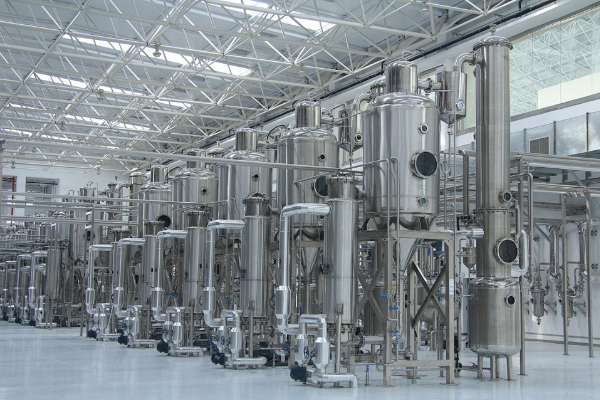
Cement & Lime CO₂ Capture
Removal of dust, metals and degradation products from cement and lime kiln CO₂ capture solvents.
Industries:
Cement
CCS
Dust & Metals
Lower
Corrosion
Longer
Run Lengths
Stable
Solvent Quality

Intensifies the gas-liquid contact area by 100x, allowing for a much smaller device to achieve the same stripping efficiency.
Reduces equipment volume by 80-90% for easy retrofit.
Upgrades low-grade latent heat from the overhead vapor to heat the reboiler, creating a highly efficient thermal loop.
Reduces regeneration energy consumption by 30-50%.
Short residence time (seconds) and lower operating temperatures prevent thermal degradation of MEA/MDEA.
Extends solvent lifespan and reduces replacement costs.
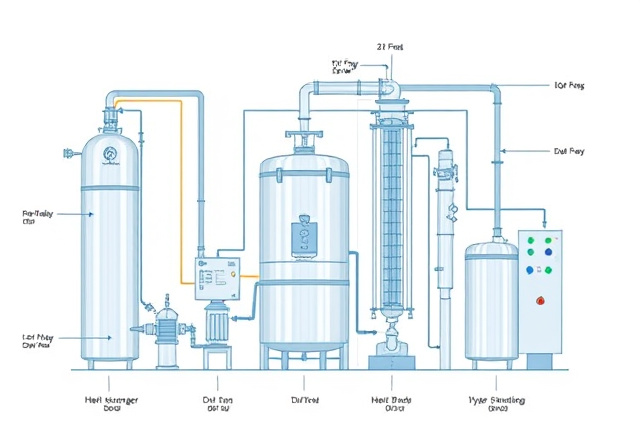
Optimizing chemical absorption for Power, Cement, Steel, and Chemical industries.
Removal of dust, metals and degradation products from cement and lime kiln CO₂ capture solvents.
Cement
CCS
Dust & Metals
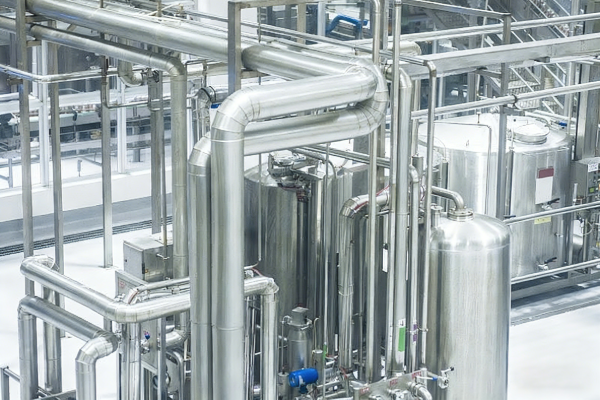
VHPS reclaiming for CO₂ capture systems on blast furnace gas, reformer gas and refinery flue gas.
Steel
Refining
CCUS

Flexible VHPS systems for pilot/demonstration plants testing new CO₂ capture solvents and blends.
Pilot
New Solvents
Flexibility
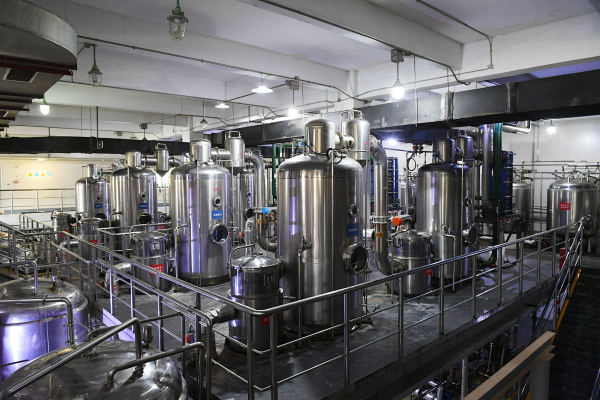
Side-stream VHPS reclaiming for MEA/MDEA systems on coal and gas-fired power plant CO₂ capture units.
Power
MEA/MDEA
Reclaiming
Purification of amine and advanced solvents in ammonia, hydrogen and synthesis gas CO₂ removal units.
Hydrogen
Ammonia
Solvents

Solvent reclaiming and regeneration for BECCS (bioenergy with CCS) and DAC (direct air capture) plants.
BECCS
DAC
Next-Gen CCS
Solvent / Stream | Typical Source in CO₂ Capture | Key Issues / Pollutants | VHPS Treatment Goal | Example Performance |
Lean / rich MEA, MDEA, DEA | Post-combustion CO₂ absorption loops in power / industry | Solvent degradation, oxidative by-products, corrosion species | Reduce degradation products and metals, extend solvent life | Fresh solvent make-up ↓ 30–60%; stable CO₂ loading |
Heat-stable salt–rich slipstream | Side stream from amine circulation loop | Heat-stable salts (HSS), metals, organic acids | Remove HSS and metals while minimizing amine loss | HSS ↓ significantly; solvent loss minimized; reclaim interval ↑ |
Waste amine from batch reclaimer bottoms | Conventional kettle reclaimer bottoms and off-spec amine waste | High solids, degradation products, high COD | Recover reusable amine, cut waste volume sent offsite | Waste volume ↓ 50–80%; part of amine recovered |
Activated blends (PZ, AMP, etc.) | Advanced post-combustion CO₂ capture solvents and blends | Narrow composition window, degradation, viscosity increase | Maintain blend ratio, remove degradation products, control viscosity | Blend composition kept in spec; longer solvent lifetime |
CO₂ capture solvents with particulates | Cement, steel, FGD-integrated flue gas CO₂ capture systems | Dust, fly ash, metals, fouling and foaming tendency | Remove particulates and metals, reduce fouling and foaming risk | Reduced foaming events; longer run length between cleanings |
Physical / hybrid solvents | Gas treating, syngas and hydrogen plants (e.g. Selexol-type) | Heavy components, hydrocarbons, degradation products | Purify solvent, recover valuable components, stabilize absorption performance | Solvent purity improved; hydrocarbon losses ↓; stable operation |
Flue gas condensate & wash water | Wash sections, quench and mist eliminator systems | Amine carryover, organics, high COD | Recover amine/organics, lower COD and emissions to wastewater / stack | COD reduction 30–50%; amine recovery improving chemical balance |
Rich/lean amine with oxygen & SOx/NOx | Flue gas with high O₂, SO₂, NOx content | Oxidative degradation, sulfate/nitrate formation, corrosion | Limit degradation products and corrosive species in circulation | Degradation markers ↓; corrosion rate reduced |
Discover why industry leaders trust us to solve their most complex separation challenges.




VHPS is typically installed as an add-on side-stream reclaimer to your existing absorber/stripper system. It focuses on solvent regeneration and reclaiming, removing degradation products and heat-stable salts while the main column continues to handle CO₂ absorption and stripping.
In typical MEA/MDEA and blended amine systems, VHPS heat-pump distillation can cut energy use for solvent reclaiming by around 30–50%, reducing steam demand and overall CO₂ capture OPEX.
Yes. VHPS is designed to treat heavily degraded amine, HSS-rich slipstreams, dust-laden solvents and waste amine. Hypergravity mass transfer and proper materials selection help manage fouling while recovering as much reusable solvent as practical.
VHPS is delivered as a compact skid that connects to existing solvent tanks, lean/rich lines or conventional reclaimers with limited tie-ins. This allows you to upgrade solvent management and reduce waste with minimal civil work and short outages.